

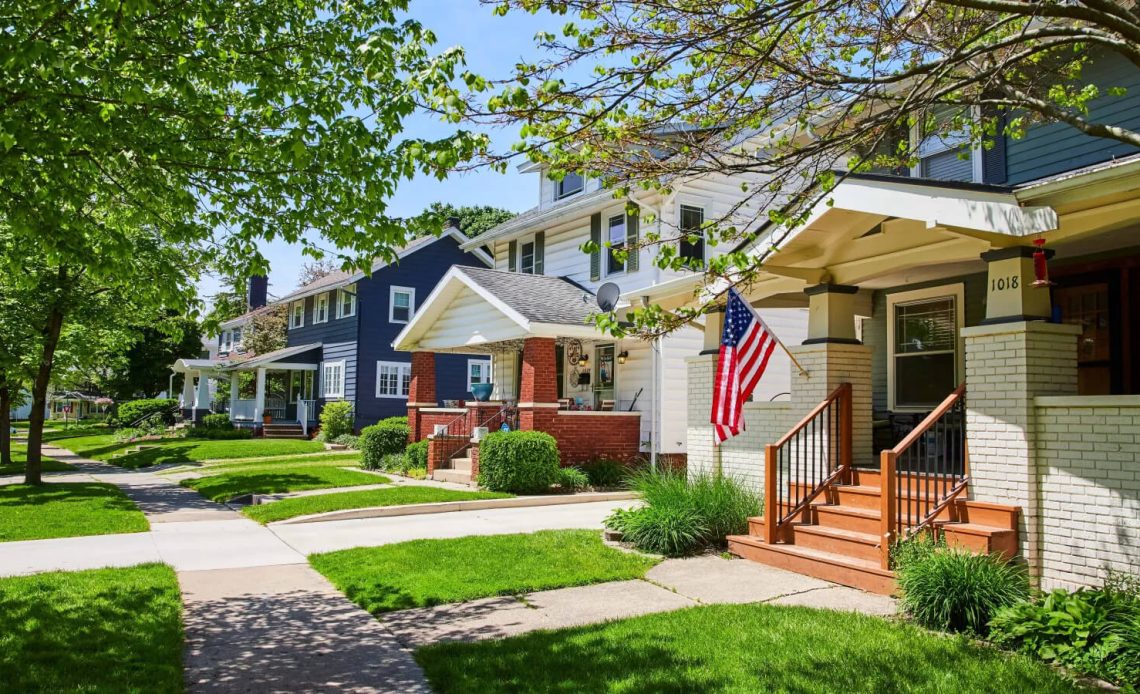
Owning an older home in the United States can be a source of pride. These properties often feature timeless architecture, strong craftsmanship, and historical charm that newer houses simply can’t replicate. However, when it comes to home insurance, older homes typically cost more to insure due to aging systems, outdated materials, and higher risks of damage or repair.
Fortunately, many insurance providers in the U.S. offer discounts, credits, and policy adjustments that can help homeowners of older properties reduce their premiums. This guide explores the best home insurance discounts for older homes, how to qualify for them, and additional tips to make your coverage more affordable — all without compromising protection.
Why Older Homes Cost More to Insure
Before exploring discounts, it’s important to understand why premiums for older homes are often higher:
- Outdated electrical or plumbing systems: Older wiring and pipes increase fire or water damage risks.
- Roof age: Roofs over 15–20 years old are more likely to leak or suffer storm damage.
- Specialized materials: Vintage homes often require rare or custom materials for repairs, which increases costs.
- Foundation and structural issues: Older construction standards may not meet modern safety codes.
Because of these factors, insurers may charge more to balance the potential cost of repairs or replacement. However, that doesn’t mean you’re stuck with high premiums — you just need to know where to look for discounts.
Age-of-Home Discounts
Some insurers offer discounts for renovated or updated older homes. If your home was built 30, 50, or even 100 years ago but has been modernized, you may qualify for lower rates.
Common upgrades that can trigger a discount include:
- New roof installation
- Updated electrical wiring
- Modern plumbing systems
- Energy-efficient heating and cooling equipment
- Reinforced foundation or storm-resistant windows
By documenting these improvements and sharing proof (such as permits or contractor receipts), homeowners can show insurers that the property’s risk level is lower than its age suggests.
Roof Replacement and Roof Certification Discounts
A roof in good condition is one of the most important factors in determining home insurance premiums. Many insurance providers offer roof replacement discounts or roof certification credits if you have recently upgraded or reinforced your roof.
To qualify:
- The roof must be under a specific age threshold (usually less than 10–15 years old).
- It must be made from approved materials such as metal, architectural shingles, or impact-resistant tiles.
- Documentation of installation or inspection may be required.
For older homes, a new roof not only provides peace of mind but can also result in up to 20% premium savings, depending on the insurer.
Home Safety and Security Discounts
Even in older homes, adding modern safety features can lead to meaningful discounts. Insurance companies reward proactive homeowners who invest in systems that reduce the likelihood of damage or theft.
You might qualify for savings if you install:
- Smoke and carbon monoxide detectors
- Fire extinguishers
- Central alarm systems (monitored professionally)
- Burglar alarms or smart security cameras
- Water leak detection devices
These upgrades demonstrate responsibility and reduce the insurer’s risk — often earning homeowners an additional 5–10% off their policy.
Bundling Discounts
One of the simplest ways to reduce home insurance costs is to bundle policies under one provider. This means combining your home, auto, or even life insurance policies with the same company.
Benefits of bundling include:
- A discount ranging from 10–25% on total premiums.
- Simplified billing and customer service.
- Consistent coverage terms and renewal schedules.
Even homeowners with older properties can qualify for these multi-policy discounts, making it a practical step for long-term savings.
Senior and Long-Term Resident Discounts
If you’re over 55 or retired, some insurers may provide senior homeowner discounts. The reasoning is simple — retirees tend to spend more time at home, reducing the chance of undetected damage or burglary.
In addition, insurers often reward long-term policyholders or residents who have lived in their homes for many years with loyalty discounts. These can accumulate over time, especially if you maintain a good payment record and avoid filing unnecessary claims.
Claims-Free Discounts
Insurance providers favor homeowners who maintain a clean claims history. If you’ve gone several years without filing a claim, you might be eligible for a claims-free discount.
To maximize this benefit:
- Handle small repairs yourself when practical.
- Schedule annual home maintenance (roof inspections, plumbing checks).
- Keep emergency funds to manage minor issues without insurance involvement.
Over time, this approach not only preserves your discount but can also signal reliability to future insurers if you decide to switch providers.
Home Renovation and Restoration Discounts
If you’ve invested in restoring your older home, you might qualify for a renovation discount — especially if updates enhance safety or durability.
Examples include:
- Foundation reinforcement
- Seismic retrofitting (for earthquake-prone regions)
- Storm shutter installation
- Upgraded insulation and windows
Insurers appreciate efforts that lower long-term risks, and some may even offer premium credits for historic homes that meet preservation standards while incorporating modern safety improvements.
Membership and Affiliation Discounts
Some insurance companies offer discounts for members of certain professional organizations, alumni associations, or community groups. Even affiliation with a local credit union or senior organization can make a difference.
If you belong to groups such as AARP, veterans’ associations, or local homeowner networks, ask whether your membership qualifies you for a reduced rate. These partnerships often include special pricing for older homeowners or those living in specific regions.
Tips to Find and Compare Discounts
Finding the right insurance discount requires research and communication. Here’s how to make the process easier:
- Ask questions directly: When requesting quotes, ask which discounts are available for older homes.
- Review your policy annually: Update your insurer after completing home improvements or reaching retirement.
- Shop around carefully: Each insurer weighs discounts differently; comparing at least three quotes can reveal the best value.
- Check state-specific programs: Some states offer incentives or partnerships that encourage retrofitting and safety upgrades for aging homes.
Remember, the goal isn’t just to find the lowest price — it’s to get reliable coverage that matches your home’s condition and value.
Conclusion
Older homes may come with higher insurance costs, but with the right strategy, those expenses can be managed effectively. By investing in modern safety upgrades, maintaining a clean claims history, bundling policies, and asking about available discounts, U.S. homeowners can protect their historic properties without overspending.
The best approach is to stay proactive: keep your home well-maintained, document all improvements, and review your insurance policy every year. With care and attention, your classic home can remain both beautiful and financially secure for decades to come.